Small Backyard Landscaping: 15 Budget-Friendly Ideas for New Gardeners
Small backyard landscaping offers new gardeners a wonderful opportunity to transform limited outdoor space into a welcoming retreat. Whether you have a cozy patio or a modest patch of grass, thoughtful design can maximize charm and functionality without overwhelming your budget. This article explores 15 creative ideas that balance style and practicality tailored for compact gardens. From vertical planting to simple water features, you’ll find inspiration to make the most of your small backyard environment. With these practical suggestions, even beginners can create a personalized outdoor space that suits their lifestyle and enhances their home decor.
Compact Garden Zones
Designate specific zones in your small backyard landscaping to maximize the use of available space efficiently. Create a seating area, a planting bed, and a small pathway to separate each zone. This helps keep the layout organized and visually appealing while maintaining functionality.
Within each zone, choose compact or vertical plants to save room and add height interest. Incorporate multi-use furniture like benches with storage to optimize space. Thoughtful zoning can make a small backyard feel larger and inviting without crowding it.
For guidance on securing furniture, see CPSC furniture anchoring guidance.
Vertical Planting Solutions

- Vertical planting maximizes limited space by using walls, fences, or trellises to grow plants upward.
- This method is ideal for small backyards where ground area is scarce but sunlight exposure on walls is available.
- Choose plants like climbing vines, herbs, or strawberries that adapt well to vertical growth.
- Use sturdy materials such as wooden pallets, metal grids, or hanging pockets to create vertical garden structures.
Incorporating vertical planting solutions enhances both greenery and style in compact yards. It creates more planting room without crowding the ground, making your outdoor space feel lush and breathable while staying within a budget.
Simple Water Features
Quick Tip:
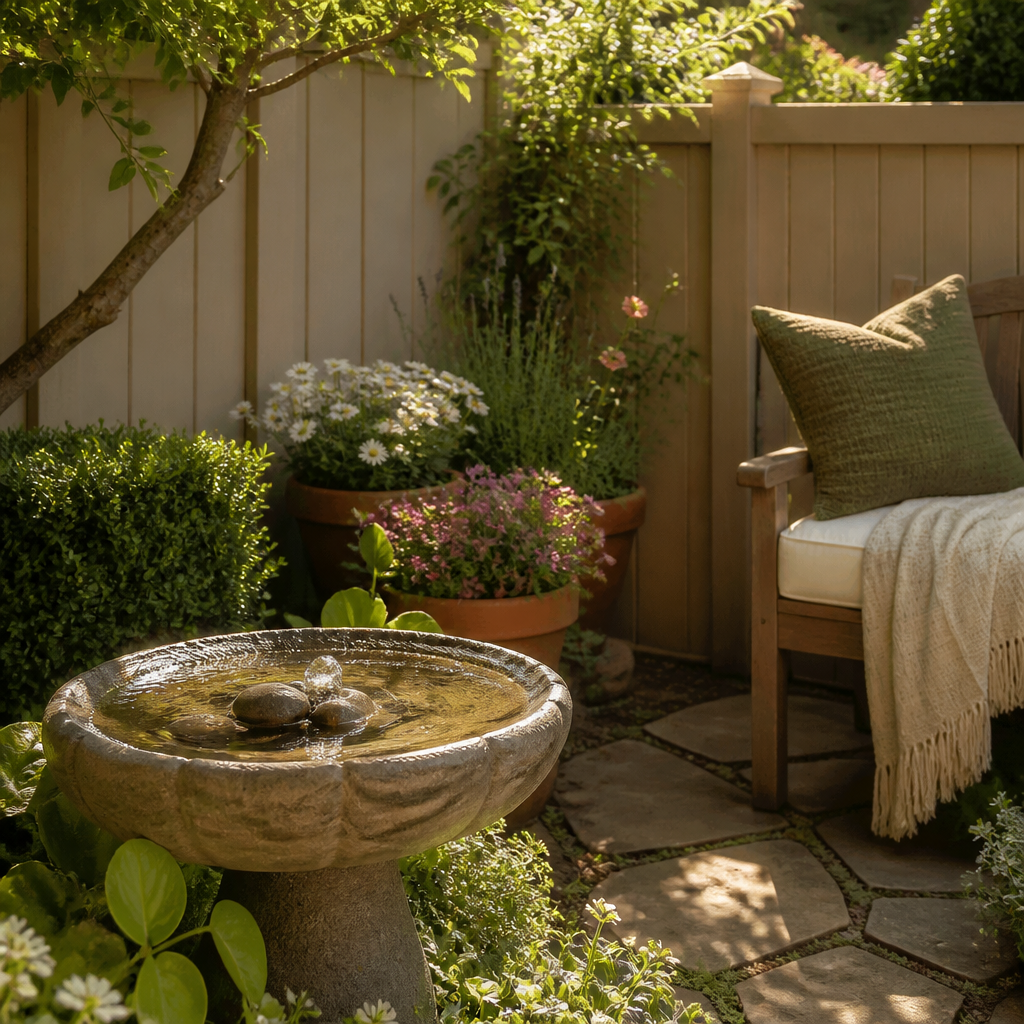
Incorporate a small water feature like a birdbath or a compact fountain to add soothing sounds and visual interest without overwhelming limited space.
Adding a modest water element can enhance your backyard's ambiance while maintaining a budget-friendly approach. These features attract wildlife and create relaxing moments, making your small outdoor area feel more inviting. Consider easy-to-install options to suit your available space and style.
Mini Garden Retreat

Before:
Before adding landscaping details, this small backyard felt underused and lacked personality. The space appeared cluttered and uninviting with uneven surfaces and sparse greenery.
After:
After introducing a mini garden retreat, the backyard now offers a cozy seating area surrounded by lush foliage and soft lighting. Thoughtful plant placement and tidy pathways create a welcoming and serene environment perfect for relaxation.
Creating a mini garden retreat in a small backyard can dramatically improve outdoor enjoyment without extensive work or expense. Thoughtful planting and simple features foster comfort and charm, encouraging more time spent outdoors. This approach suits beginners seeking to enhance their space gradually.
Step-by-Step Layout
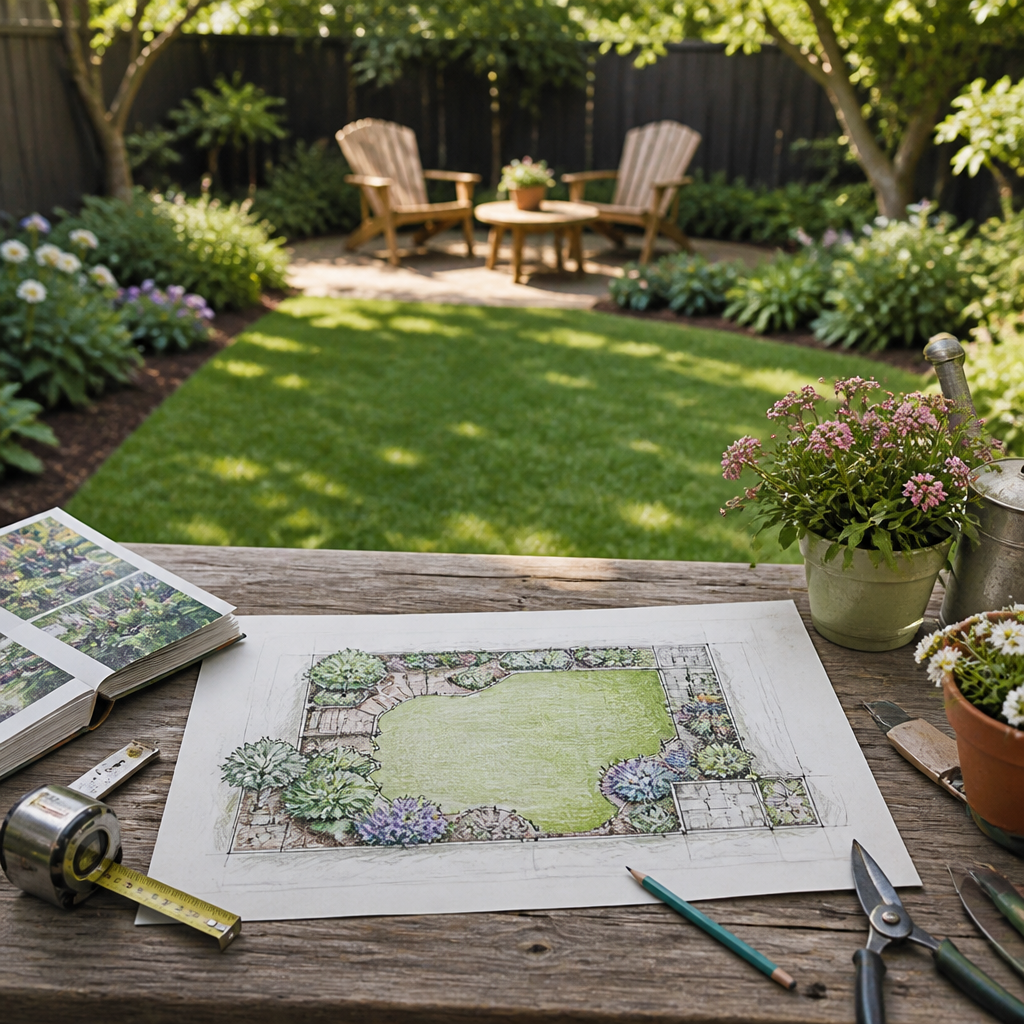
- Begin by measuring your backyard to understand the available space and shape.
- Sketch a simple layout highlighting key features like seating, planting beds, and pathways.
- Select low-maintenance plants well-suited to your climate and soil conditions for ease of care and sustainability in the U.S. outdoor environment during spring or summer seasons suitable for planting and growth phases in outdoor areas like yards or gardens in budget-conscious settings focusing on new gardeners seeking practical ideas without complex infrastructure or large constructions emphasizing greenery and natural elements rather than urban or indoor style environments with balanced light to medium exposure conditions tailored to an average American backyard size and climate zone reflecting a welcoming, vibrant, yet manageable landscape plan incorporating different textures and heights for visual appeal and ecological function while keeping maintenance straightforward for beginners adjusting to outdoor gardening tasks and planning.
Following these numbered steps will help you efficiently plan a beautiful and practical backyard design. Keeping measurements, plant choices, and layout simple ensures a manageable project. This straightforward process can transform a small backyard into a functional and enjoyable outdoor space, especially for new gardeners working within a budget.
For planting and layout guidance, explore RHS garden design guidance.
Plant Choices Compared
| Point | Perennial Flowers | Evergreen Shrubs |
|---|---|---|
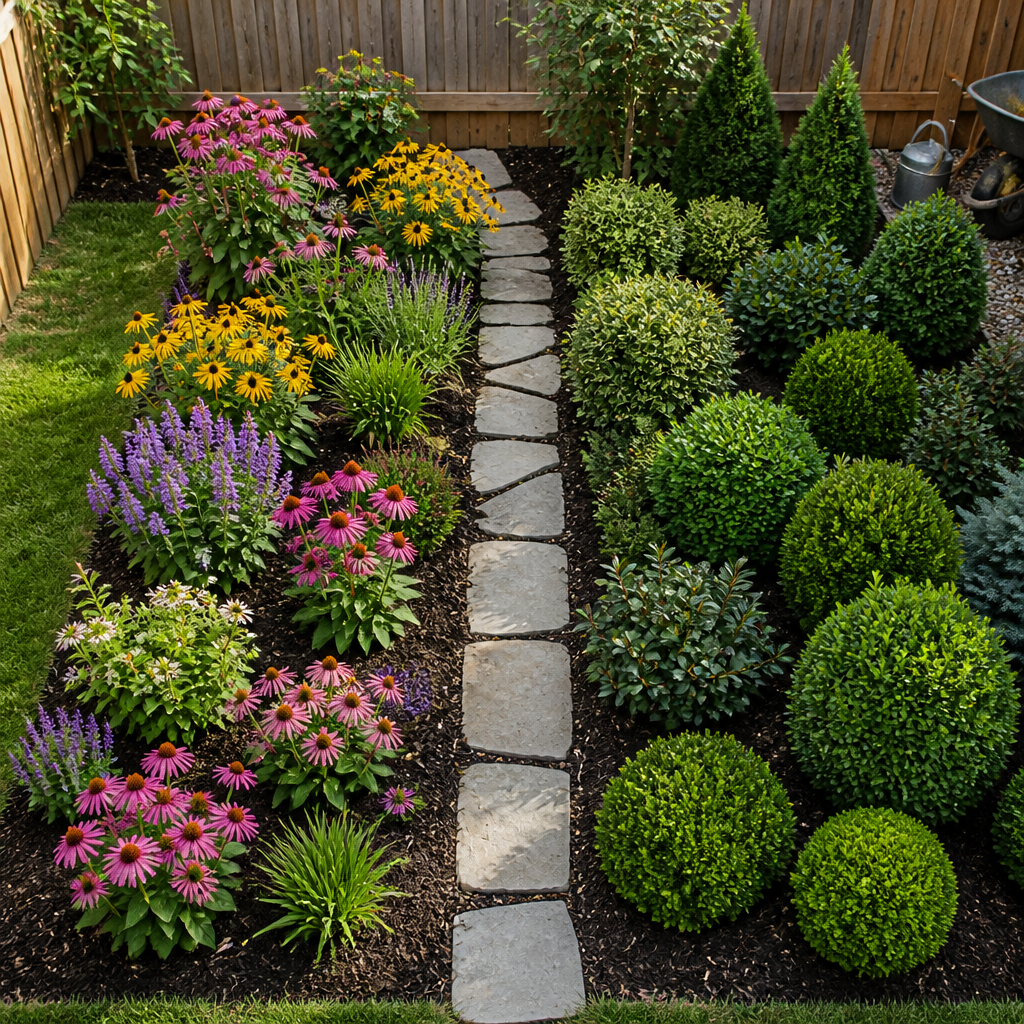
| Evaluate how each plant type suits small backyard landscaping needs. | Perennial flowers provide seasonal color with blooms that return yearly. | Evergreen shrubs offer year-round greenery with low maintenance requirements. |
| Consider space and growth habits for your garden design. | Most perennials grow in compact clumps, fitting smaller areas well. | Evergreens can be pruned to maintain shape, but may require more room to avoid overcrowding. |
| Think about care and soil preferences for healthy plants. | Perennials often thrive in well-drained soil and sunny spots. | Evergreens prefer acidic to neutral soil and vary in sun tolerance based on species. |
Choosing between perennial flowers and evergreen shrubs impacts the garden's visual appeal and upkeep. Perennials bring bursts of vibrant color seasonally, while evergreens provide lasting structure and greenery. Consider your small backyard's space, sunlight, and maintenance time to select plants that enhance both beauty and function.
Smart Plant Placement

Do:
- Choose plants with similar water and sunlight needs to simplify care and promote healthy growth.
- Position taller plants at the back or center to avoid shading smaller ones.
- Incorporate containers or raised beds to define planting areas and improve soil conditions.
Don't:
- Overcrowd plants which can lead to poor air circulation and disease.
- Place sun-loving plants in shaded spots and shade-tolerant ones in direct sun.
- Ignore the mature size of plants, which can cause overgrowth in a small space.
Focusing on smart plant placement can make your small backyard garden manageable and visually pleasing. Thoughtful arrangement improves plant health and maximizes your limited space. Remember that planning according to plant needs and growth habits creates a thriving garden that suits your lifestyle and maintenance goals.
Seasonal Care Routines
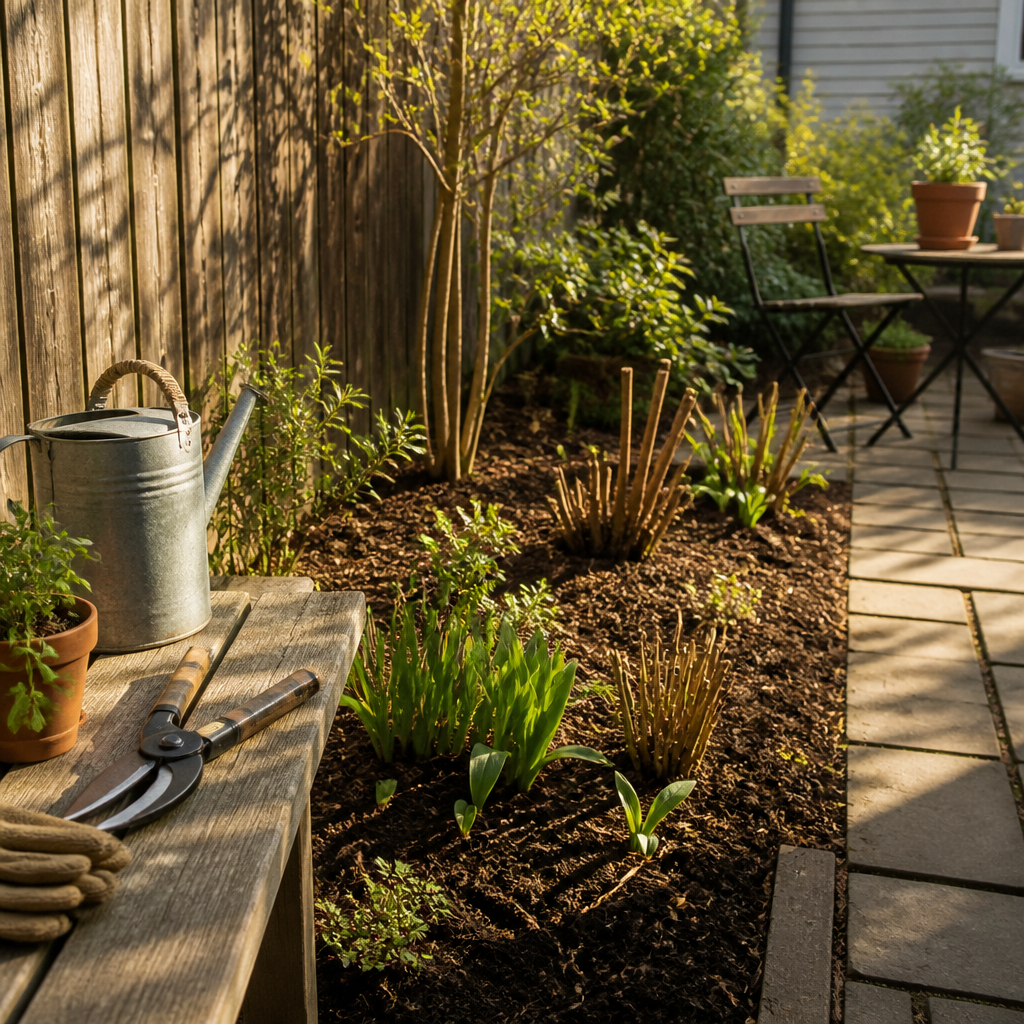
Watering: Consistent watering in the morning helps plants absorb moisture before the day heats up.
Pruning: Regular pruning in early spring enables healthier growth and shapes the garden effectively.
Mulching: Applying mulch in late fall protects roots during winter and improves soil quality.
Keeping up with these seasonal care routines in your small backyard brings better plant health and visual appeal year-round. Adjust these tasks based on your local climate to support growth. Consistent maintenance makes a vibrant and thriving space attainable even for new gardeners on a budget.
Cozy Seating Corners

Creating a cozy seating corner in a small backyard boosts its functionality and charm. Opt for compact, weather-resistant furniture like a loveseat or foldable chairs to maximize space. Add cushions and throws in vibrant colors for warmth and comfort without crowding the area.
Incorporate potted plants or a small vertical trellis nearby for privacy and greenery. Keep pathways clear and designate a specific spot to maintain an organized look. This approach ensures a relaxing nook that invites you outdoors while fully utilizing limited backyard space.
Multi-Functional Garden Areas

- Create zones that serve multiple purposes, such as a dining area that doubles as potting space.
- Use foldable or movable furniture to adapt to different needs and free up space when not in use.
- Incorporate planters that act as low partitions to define spaces without crowding the backyard.
- Choose plants that provide shade, privacy, and visual appeal to maximize functionality in small areas.
Designing multi-functional garden areas maximizes every inch of a small backyard. By blending practical elements with greenery, these spaces become versatile retreats that offer relaxation, gardening, and entertaining options all in one. Smart layout choices make small spaces feel open and organized.
Efficient Space Use

Quick Tip:
Maximize the available area by integrating vertical planting and multi-purpose features like benches with storage to keep your small backyard organized and visually appealing. Focus on layers of greenery and accessories that complement each other without overcrowding the space.
When designing with limited space, prioritize functionality alongside aesthetics to create a balanced outdoor area. Using vertical and multi-functional elements can amplify your backyard's visual depth and usability without demanding extra ground space, enhancing your gardening experience thoughtfully.
Garden Space Transformation
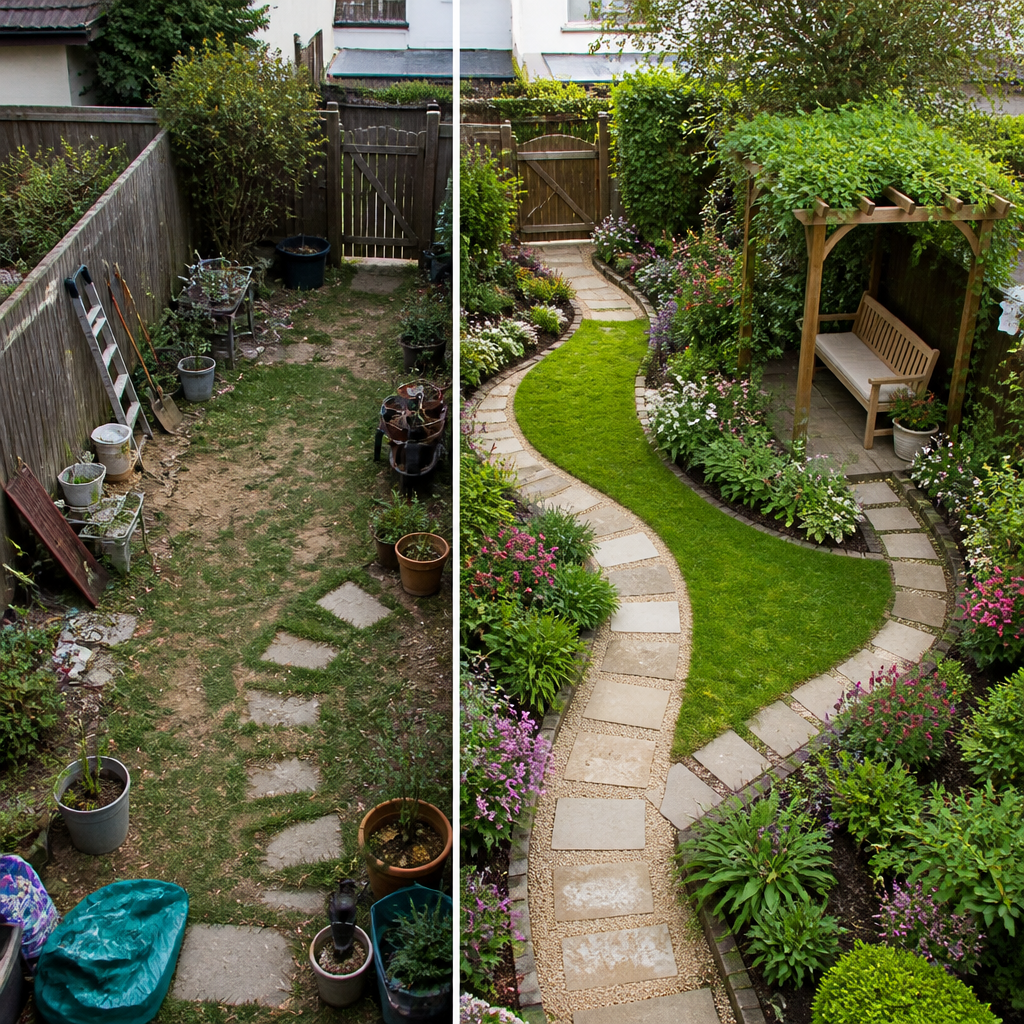
Before:
Before redesigning, the backyard felt cramped with underused patches and clutter that made it seem smaller than it was.
After:
After landscaping, the backyard is an inviting, open space with clearly defined garden zones and cozy seating areas.
This small backyard landscaping idea emphasizes how thoughtful planning can turn a tight, cluttered yard into a functional, attractive retreat. Clear zones and purposeful elements optimize every inch, making outdoor relaxation and gardening more enjoyable. Try this approach to save space and add charm.
Layered Planting Steps

- Begin by assessing the sunlight and soil conditions in your backyard to choose suitable plants.
- Plan layers of plants by height and spread to maximize visual interest and space usage.
- Start with low-maintenance ground covers to establish a green carpet effect, reducing weeds and erosion risks. Agrigate around your plants to retain moisture and reduce watering needs in hot months, especially in sunny United States backyards during spring and summer seasons. Add taller plants and shrubs next, allowing enough space for growth without overcrowding the garden layout. Incorporate flowering perennials and small ornamental trees as the highest layer to add color and vertical interest without overwhelming limited space.
By layering plants thoughtfully, your small backyard can appear fuller and more diverse. This step-by-step approach helps novice gardeners create a balanced, visually appealing landscape while efficiently using their area. Follow these steps to build a thriving backyard with distinct planting zones for every height and type.
Raised Beds vs Containers
| Point | Raised Beds | Containers |
|---|---|---|
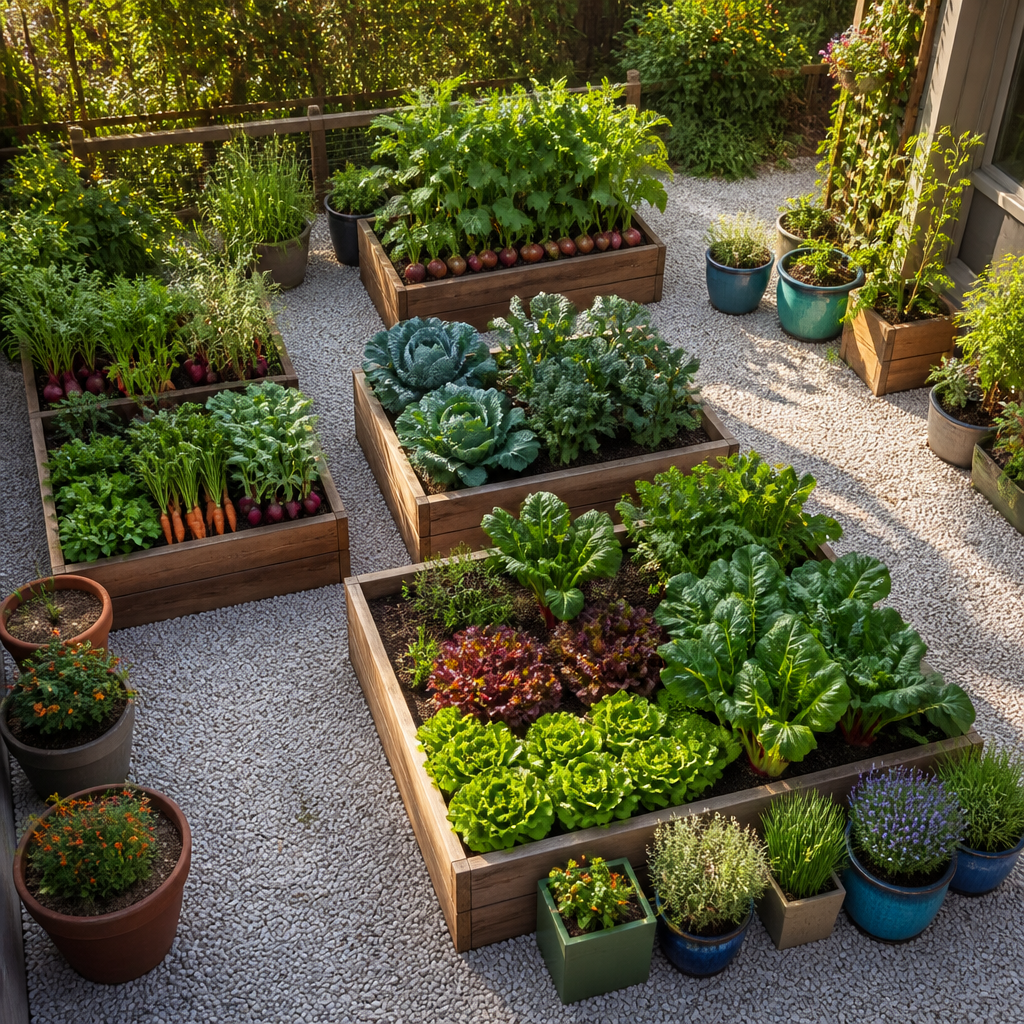
| Both raised beds and containers offer efficient planting solutions for small spaces, but they differ in size and soil management. | Raised beds provide ample space and allow for better soil control, ideal for root vegetables and larger plants. | Containers are versatile, easy to move, and suited for herbs, flowers, or small vegetables requiring less soil depth. |
| Water retention and drainage affect plant health significantly in small garden settings. | Raised beds generally retain moisture longer and have improved drainage due to elevated soil. | Containers may dry out faster and require more frequent watering but offer better control of water amount. |
| Cost and installation vary depending on materials and design complexity. | Raised beds can be more expensive initially and need more space and effort to build. | Containers are budget-friendly and require minimal setup, suitable for renters or renters with limited yard space. |
Choosing between raised beds and containers depends on your space, plant types, and maintenance preference. If you want versatility with easy relocation, containers suit well. For more extensive cultivation and soil customization, raised beds offer greater benefits. Both enhance your small garden effectively.
Balancing Use and Beauty

Do:
- Plan pathways that maximize space utility while adding visual appeal to your garden.
- Choose low-maintenance plants to keep upkeep manageable for new gardeners.
- Incorporate seating that doubles as storage to save space and add function.
Don't:
- Avoid overcrowding the garden with too many decorative elements which can make it feel smaller.
- Do not select plants that require high maintenance if you're new to gardening.
- Skip placing large garden furniture that can overwhelm a compact backyard.
Creating a small backyard that is both beautiful and functional requires thinking about how each element serves a purpose. By balancing practical features with attractive details, even budget-conscious gardeners new to the hobby can enjoy their outdoor space comfortably and invitingly.
Small backyard landscaping can turn a tight outdoor area into a personal sanctuary with careful planning and creativity. Trying one manageable idea from the list, like adding layered plants or a cozy seating nook, can make a noticeable difference. Save this article on Pinterest for ongoing inspiration and share your progress to encourage others. With simple steps, even budget-conscious new gardeners in the United States can create a functional, beautiful garden space that brings daily joy.