

Poor Apartment Aesthetic: 15 Signs and Budget-Friendly Fixes for a Cozy Space
Recognizing a poor apartment aesthetic can be the first step toward creating a more inviting home. This term describes spaces that feel cluttered, neglected, or outdated, often from budget constraints or lack of attention. With simple observations, anyone can spot issues like worn surfaces, insufficient lighting, and overcrowded rooms. In this article, we’ll explore common signs of a poor apartment aesthetic and offer practical, budget-conscious ideas to refresh your living space. You’ll find inspiration to make small changes that can bring warmth and style, transforming your apartment into a cozy retreat without overspending.
Cluttered and Dull
A poor apartment aesthetic often features cluttered spaces filled with outdated or mismatched furniture. This creates a cramped feeling and detracts from any potential charm, making the whole space feel less inviting and uncomfortable for residents or guests.
Lack of cohesive color schemes and poor lighting choices amplify the unappealing atmosphere. Dark corners, peeling paint, and visible wear on surfaces can make the environment feel neglected, impacting your mood and overall living experience negatively.
Neglected Surfaces

- Surfaces like counters and tables are often covered with dust, stains, or unorganized items, diminishing the room's appeal.
- Walls may have chipped paint or visible marks, contributing to a neglected atmosphere.
- Floors show wear, with scuffed finishes or visible dirt that could easily be cleaned or covered.
- Lighting fixtures appear outdated or provide insufficient illumination, casting shadows that make spaces look cramped and gloomy.
A poor apartment aesthetic often reveals itself through neglected surfaces that show a lack of upkeep. Paying attention to small cleaning tasks and refreshing components like paint or lighting can begin to improve the overall look.
Neglected Lighting Choices

Quick Tip:
Opt for affordable, warm-toned bulbs to improve the mood and appearance of dark, neglected rooms without costly renovations. Avoid harsh fluorescent lighting that makes spaces feel colder and more uninviting.
Proper lighting can dramatically influence the feel of any living space, especially in budget-conscious apartments. Simple changes like updating bulbs or repositioning lamps can lift a poor apartment aesthetic into a more welcoming atmosphere. Small lighting updates can refresh a home and make it feel cared for even on a tight budget.
For more related ideas, explore Small Apartment Aesthetic Cozy: 10 Warm and Budget-Friendly Ideas.
Pre and Post Contrast

Before:
Before renovation, the apartment felt cramped and lifeless with worn-out walls and outdated furniture creating a gloomy ambiance. The lack of natural light and cluttered corners emphasized a neglected atmosphere.
After:
After addressing the issues, the space is brighter and more inviting, showcasing clean walls and minimalistic décor that maximizes openness. Strategic lighting and thoughtful arrangement have transformed it into a comfortable, welcoming home.
Comparing the before and after views highlights how simple changes improve a living space’s feel. Even on a budget, clearing clutter and refreshing walls can uplift any apartment’s aesthetic, turning a poor apartment aesthetic into something cozy and appealing.
Step-by-Step Fix

- Assess your space thoroughly to identify the most noticeable signs of wear, clutter, and poor design choices.
- Remove unnecessary items to declutter and create more open space, focusing on functional furniture placement.
- Clean all surfaces and repair any visible damage like chipped paint or broken fixtures to freshen the look instantly, using budget-friendly materials when possible.
Taking these three practical steps can dramatically improve how your apartment feels without significant expense. Starting with a clear assessment, followed by decluttering and necessary cleaning or repairs, lays the groundwork for achievable change. These steps create a more inviting and visually appealing environment on a budget, approachable for anyone.
Affordable Material Comparison

| Point | Cheap Vinyl | Laminate Flooring |
|---|---|---|
| Both materials are budget-friendly options frequently used in low-cost apartment designs. | Cheap vinyl is thin and less durable, prone to tearing and showing wear quickly. | Laminate flooring offers a bit more resilience but can still scratch and show water damage over time. |
| Appearance can greatly impact the perceived quality of these materials in a rental space. | Cheap vinyl often has a shiny, plastic-like look that can feel cheap or outdated. | Laminate can mimic wood grains better, lending a slightly warmer, though still artificial, feel. |
| Installation and maintenance differ between these materials, reflecting on the apartment's upkeep. | Vinyl is easier and cheaper to install but may bubble or peel with poor subfloor preparation. | Laminate requires careful installation and can swell if exposed to moisture but generally cleans up well. |
Understanding the differences between budget-friendly materials like cheap vinyl and laminate flooring helps illustrate common traits of low-cost apartment aesthetics. These choices impact both the visual atmosphere and functional lifespan of surfaces, showing why some spaces feel less cared for. Recognizing their pros and cons can guide better decisions within tight budgets.
For more related ideas, explore Chic Apartment Aesthetic: 10 Budget-Friendly Ideas for Stylish Renters.
Avoid Cluttered Chaos

Do:
- Keep surfaces clean and free from unnecessary items to create a more open and inviting atmosphere.
- Choose multifunctional furniture that fits your space without overcrowding it.
- Regularly sort belongings and donate or discard what is not needed to maintain an organized environment.
Don't:
- Pile up random objects on tables, counters, and floors, which makes the space feel cramped and chaotic.
- Use oversized or too many furniture pieces that block natural light and limit movement.
- Ignore the state of your apartment by letting clutter accumulate without regular tidying.
Maintaining a clear and organized space can significantly improve the overall feel of your apartment. By intentionally limiting clutter and investing in practical furniture, you create a more peaceful and visually appealing home. Small changes yield big improvements in the appearance of a poor apartment aesthetic.
Visible Wear Details

Common Signs: Faded paint, chipped furniture edges, and visible stains on walls or fabrics often signal poor upkeep.
Impact on Mood: These visible wear details can create a sense of neglect and discomfort, reducing overall living satisfaction.
Maintenance Cost: Repairing such signs usually requires minor touch-ups or replacements that are cost-effective when addressed early.
Recognizing visible wear is key in identifying areas needing attention and improvement in a modestly maintained apartment. Focusing on small repairs can uplift the aesthetic significantly. These straightforward fixes help break down the overwhelming feeling of neglect while improving comfort gradually.
Worn-Out Furniture Scene
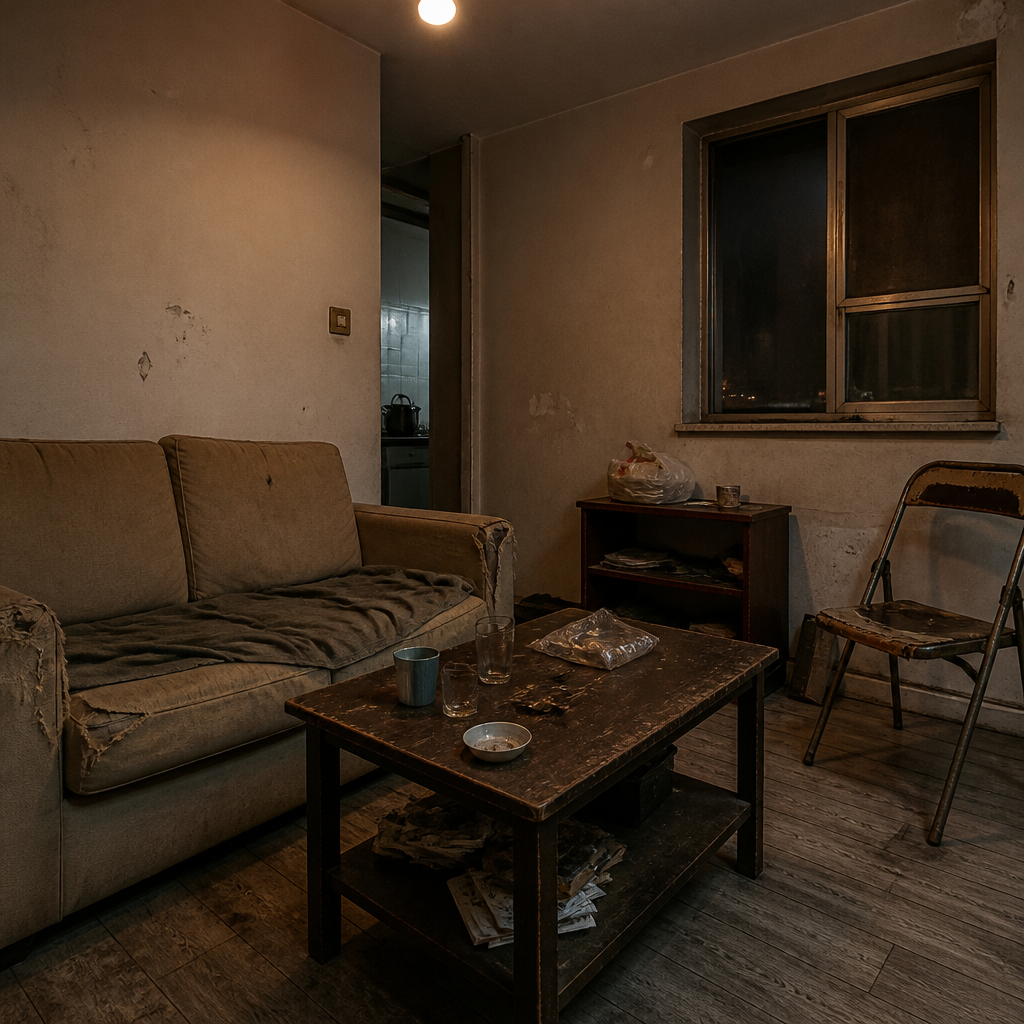
In a poorly styled apartment, outdated and worn-out furniture clearly diminishes the space's appeal. Faded upholstery, scratched wood, and sagging cushions convey neglect, making the room feel uncomfortable and uninviting. Paying attention to furniture condition is crucial for improving overall ambiance.
Disproportionate pieces crammed into a small area create a cluttered, uneasy feeling. The mismatch of old and damaged furnishings without cohesive design disrupts visual flow and weakens the apartment's character, leading to a negatively impacted living experience.
Overcrowded Spaces
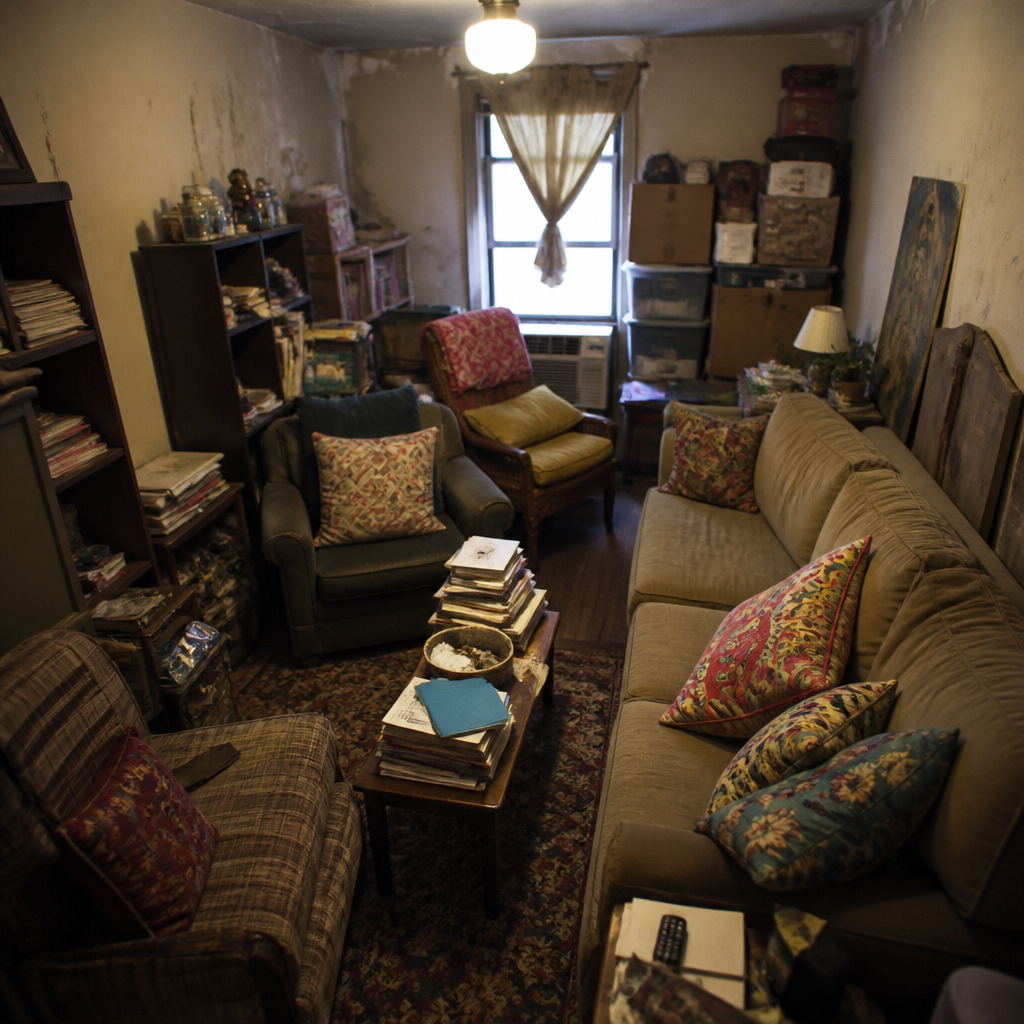
- An excess of furniture in a small area creates an overwhelming and cramped atmosphere.
- Cluttered surfaces with scattered objects contribute to visual disorganization and stress.
- Poorly coordinated colors and mismatched patterns amplify the chaotic feel.
- Inadequate storage leads to items spilling into living spaces, intensifying clutter.
Addressing overcrowded spaces can dramatically improve the feel of an apartment. Clearing the floors, limiting furniture to essential pieces, and organizing belongings helps transform chaos into calm without major expenses. Even small adjustments can make the environment inviting and visually balanced.
For guidance on securing furniture, see CPSC furniture anchoring guidance.
Simple Lighting Upgrades

Quick Tip:
Upgrade tired overhead bulbs to warm, soft LED fixtures that create inviting ambiance and improve the overall feel of a room. Adding a floor or table lamp with cozy light can significantly uplift dull apartment spaces.
Lighting has a remarkable influence on a room's atmosphere and appearance, especially in tightly budgeted apartment settings. Even modest changes like swapping bulbs and adding supplementary lighting can transform a poor apartment aesthetic. Experiment with different light sources to discover what best brings warmth and character to your living space.
For help choosing lighting, consult U.S. Department of Energy lighting guide.
Pre and Post Contrast

Before:
Before improvement, the apartment space feels chaotic with mismatched furniture, peeling paint, and poor lighting that casts unflattering shadows. These elements combine to create an overall sense of neglect and discomfort.
After:
After thoughtful adjustments, the room appears brighter and more welcoming thanks to coordinated furnishings, fresh wall colors, and increased natural light. This contrast highlights how small changes significantly improve the living environment's mood and functionality.
Understanding the stark difference between neglected and cared-for spaces emphasizes how intentional design choices can revitalize a home. Visualizing these transformations helps motivate practical improvements. Trying an idea and sharing results can inspire others to enhance their own apartments affordably.
Step-by-Step Fix

- Begin by removing all unnecessary items to clear visual clutter and create more space.
- Clean all surfaces thoroughly to brighten the environment and prepare for improvements.
- Repaint walls with light, neutral shades to refresh and open the room visually. Avoid dark or bold colors that shrink space perception in small apartments for budget-conscious changes to enhance the look effectively.|
Improving a poor apartment aesthetic relies on practical, affordable steps that create a more welcoming atmosphere. Start by decluttering and cleaning, then repaint with fresh colors to brighten the space. These manageable tasks can make a big difference while staying within a limited budget.
Budget Finish Comparison

| Point | Laminate Surfaces | Vinyl Flooring |
|---|---|---|
| Laminate surfaces are a cost-effective option that can mimic wood but may show wear quickly. | Laminate is easy to clean and affordable, ideal for tight budgets. | Vinyl flooring offers durability and water resistance, suitable for busy apartments. |
| While laminate can fade over time, vinyl maintains color better in high traffic areas. | Laminate's susceptibility to scratches makes it less ideal for pets or active households. | Vinyl's resilience reduces maintenance needs, making it a practical choice. |
| Installation of laminate is typically straightforward, sometimes requiring professional help. | Vinyl flooring can be DIY-installed with peel-and-stick options, saving costs. | Both options provide styles that can update the look without high expenses. |
Choosing between laminate and vinyl surfaces depends on your lifestyle and priorities. Consider maintenance, durability, and appearance to select finishes that enhance your space affordably. Both options can help improve a poor apartment aesthetic without overspending.
Do and Don't for Clarity

Do:
- Do keep your living space tidy by regularly organizing and removing unnecessary items to prevent visual clutter.
- Do choose cohesive color schemes that create a harmonious and inviting atmosphere instead of mixing too many contrasting tones.
- Do focus on maintaining surfaces and furniture by cleaning and repairing minor damages promptly to enhance overall appearance.
Don't:
- Don't overcrowd the room with bulky furniture that restricts movement and makes the space feel cramped.
- Don't ignore lighting; avoid dim, uneven sources that cast shadows and highlight imperfections.
- Don't neglect walls and floors; peeling paint, stains, or worn carpets can quickly deteriorate the room’s appeal.
Practicing these simple do's and don'ts can significantly improve any apartment's look without major expenses. Small daily habits paired with mindful decor choices make spaces feel comfortable, neat, and welcoming, turning poor apartment aesthetic challenges into opportunities for improvement.
Understanding the poor apartment aesthetic gives you a clear starting point to improve your home environment through simple and budget-friendly adjustments. Trying even one small idea can brighten your space and lift your mood. Don’t forget to save this guide on Pinterest for quick reference and share your favorite tips with friends who might benefit from a fresh outlook. Taking action is easier than you think and can turn a tired room into a welcoming haven.
